
Safe Life with Diabetes
BLOG
What is Diabetes?
DIABETES is a chronic and progressive disease that occurs as a result of insulin hormone deficiency or ineffectiveness, progressing with high blood sugar and advancing. Insulin is secreted by the pancreas in our body, and serves as a key for the sugar in the food taken with meals to enter the cell and be used as energy. As a result of the absence or ineffectiveness of insulin, sugar that cannot enter the cell begins to rise in the blood.
Diabetes Symptoms
What are they?
The following symptoms are important for early diagnosis:
- Excessive thirst
- Frequent urination
- Unexplained weight loss
- Extreme fatigue and weakness
- Blurred vision
- Slow healing wounds
- Dry skin and itching
Diabetes Diagnosis
How is it made?
Diabetes is diagnosed by measuring blood glucose levels. The most commonly used diagnostic methods are:
- Fasting Blood Sugar Test
- Oral Glucose Tolerance Test (OGTT)
- HbA1c (3-month average blood sugar level)
The healthiest blood sugar measurement
How is it done?
- Fasting blood sugar is measured after an 8-10 hour overnight fast by taking a venous plasma sample through a blood test.
- For follow-up measurements, individuals can measure their fasting blood sugar from capillary blood samples taken from the middle or ring finger using blood glucose meters.
Insulin Use
Briefly What is it?
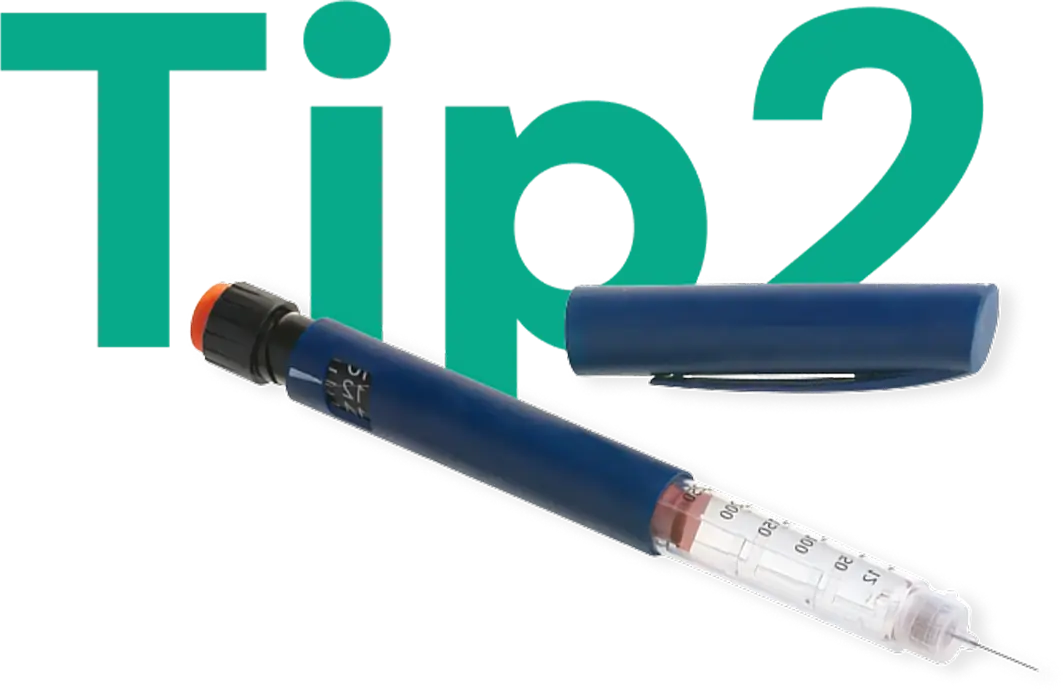
In diabetes management, it is a basic hormone used to control blood glucose levels. Insulin is administered through subcutaneous injection, and the dosage is specially planned for the patient by the physician.
In Diabetes Treatment
Diet and Nutrition
Daily nutrition control should be maintained by paying attention to the balance of carbohydrates, proteins and fats.
While preferring foods rich in fiber, it is recommended to avoid refined sugar and processed foods.
In line with individual needs, a diet program should be planned by dietitians specialized in the field.
In Diabetes Treatment
Sports and Exercise
- Regular physical activity contributes to the control of blood glucose levels.
- Aerobic exercises (such as walking, swimming, cycling) should be preferred.
What are the Types of Diabetes?
Diabetes occurs because the body cannot produce enough insulin. Diabetes is divided into three types: Type 1, Type 2 and Gestational diabetes.
Type 1
Diabetes
Type 2
Diabetes
Gestational
Diabetes
Type 1
Diabetes
- •Type 1 diabetes is a chronic disease that occurs when the pancreas produces little or no insulin.
- •Insulin is a hormone that regulates blood glucose levels.
- •Without insulin, blood glucose (sugar) levels rise dangerously and lead to serious health problems.
- •Individuals with Type 1 diabetes need to inject insulin every day to stay alive.
- •Although the disease can occur at any age, it is most commonly diagnosed during childhood and young adulthood.
- •If left untreated or without access to insulin, Type 1 diabetes can be fatal.
- •As of 2024, approximately 9.2 million people worldwide are living with Type 1 diabetes. Of these, 1.8 million are under the age of 20.
Symptoms
Symptoms
Symptoms
The most common symptoms of Type 1 diabetes are:
Thirst and dry mouth
Sudden weight loss
Frequent urination
Lack of energy, fatigue
Constant hunger
Blurred vision
Bedwetting
 Type 1 diabetes can be difficult to diagnose, so additional tests may be needed to confirm the diagnosis.
Type 2
Diabetes
- •Type 2 diabetes is the most commonly diagnosed type of diabetes, accounting for more than 90% of all cases.
- •The primary indicator of Type 2 diabetes is insulin resistance, where the body cannot respond fully to insulin. In most cases, the condition can be delayed or prevented.
- •Because insulin does not work properly, blood sugar levels continue to rise and cause more insulin to be released. Unfortunately, in some people with Type 2 diabetes, this condition can lead to the pancreas working excessively.
- •As a result, the body gradually produces less insulin, which leads to higher blood sugar levels (hyperglycemia).
Symptoms
Symptoms
Symptoms
The most common symptoms of Type 2 diabetes are:
Excessive thirst and dry mouth
Frequent urination
Lack of energy and fatigue
Slow healing wounds
Recurring skin infections
Blurred vision
Tingling or numbness in hands and feet
Gestational
Diabetes
- •Gestational diabetes is high blood sugar that develops during pregnancy and usually resolves after childbirth.
- •It can affect the health of mother and baby; however, it can be managed with proper nutrition, exercise and medical care.
- •Gestational diabetes can affect the health of mother and baby and lead to potential long-term consequences.
- •It can lead to pregnancy-related complications such as high blood pressure, large birth weight babies and obstructed labor. Lifestyle changes and medications can help manage this condition.
- •During pregnancy, the placenta produces hormones that will affect the body's ability to use insulin effectively.
- •This condition is called insulin resistance and is a normal part of pregnancy. However, in some women, insulin resistance can become very high, leading to gestational diabetes.
Symptoms
Symptoms
Symptoms
The most common symptoms of gestational diabetes are:
Increased need to drink water
Frequent urination
Nausea
Fatigue
Dry mouth
Blurred vision
Genital itching

EVERYTHING ABOUT DIABETES
benimdiyabetim.com
At BenimDiyabetim.com, you can easily access accurate and up-to-date information about diabetes, learn how to use insulin pen needles and measuring devices, and find small but effective tips to make your life easier.