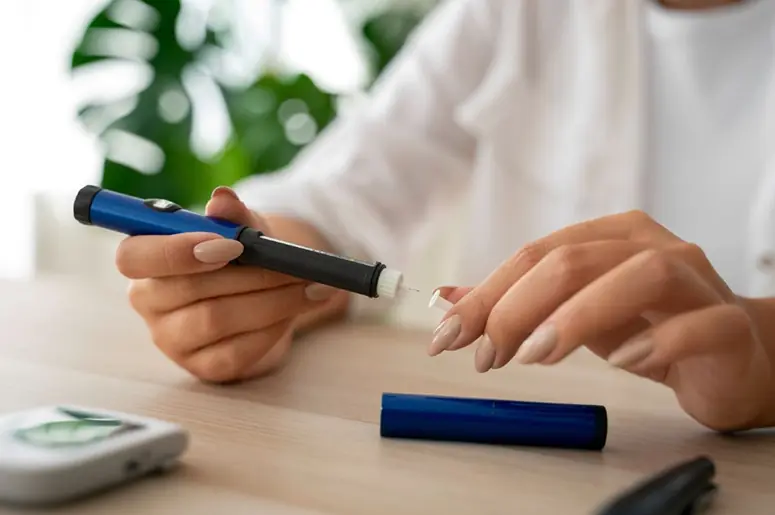
Track Your Blood Sugar, Feel Your Best! Take Charge of Your Health with Regular Glucose Monitoring
Living with diabetes means becoming more aware of your body—and one of the most powerful tools in your toolkit is regular blood sugar monitoring. By keeping an eye on your glucose levels, you can better understand how food, activity, stress, and medication affect your body. This awareness can help you make smarter choices, avoid complications, and boost your daily energy and mood.
Why Is Regular Blood Sugar Monitoring Important?
Regular glucose checks are crucial for several reasons:
- Immediate Feedback: You’ll see the real-time effect of what you eat, how you move, and the medications you take.
- Prevention of Highs and Lows: Early detection of dangerous spikes (hyperglycemia) or drops (hypoglycemia) lets you take action before symptoms escalate.
- Personalized Diabetes Management: Patterns in your readings help you and your healthcare provider optimize your treatment plan.
How Often Should You Check Your Blood Sugar?
How often you monitor depends on several factors, including your type of diabetes, medications, and daily routine. Common recommendations:
- Type 1 diabetes: Typically 4 or more times a day (before meals, after meals, at bedtime, and sometimes at night).
- Type 2 diabetes: Varies widely; may range from once a day to several times, especially if using insulin or having blood sugar swings.
- Gestational diabetes: Often checked several times a day.
Always follow your doctor's specific guidance.
Tips for Effective Blood Sugar Monitoring
- Establish a Routine: Check at consistent times each day to spot trends.
- Keep a Logbook or App: Track numbers along with meals, activity, stress, and meds.
- Recognize Patterns: Don’t focus on a single reading—instead, look for ongoing patterns.
- Act on Information: If you notice highs or lows, adjust your food, activity, or medication as advised.
- Share Results: Regularly share readings with your healthcare team for more personalized advice.
What Affects Your Blood Sugar Readings?
- Food choices and meal timing
- Physical activity
- Stress, illness, or lack of sleep
- Medication changes
- Alcohol or caffeine intake
Knowing all these influences will help you interpret results accurately.
Giving Yourself the Best Chance at Success
- Don't be discouraged by ups and downs: Everyone has fluctuations. Use your data to learn and improve.
- Invest in the right device: Whether you use a traditional glucometer or a Continuous Glucose Monitor (CGM), consistency and accuracy matter.
- Prioritize your wellbeing: Regular monitoring isn’t just for your numbers—it’s for your overall health, confidence, and peace of mind.
Moving Forward with Confidence
Blood sugar monitoring puts you in the driver’s seat of your health journey. With every check, you gain valuable information—empowering you to make choices that keep you feeling your best, both now and in the future.
Track, learn, and take action. Because your wellbeing is worth it!
This article is for informational purposes only. Always consult your healthcare provider for medical advice and tailored recommendations.