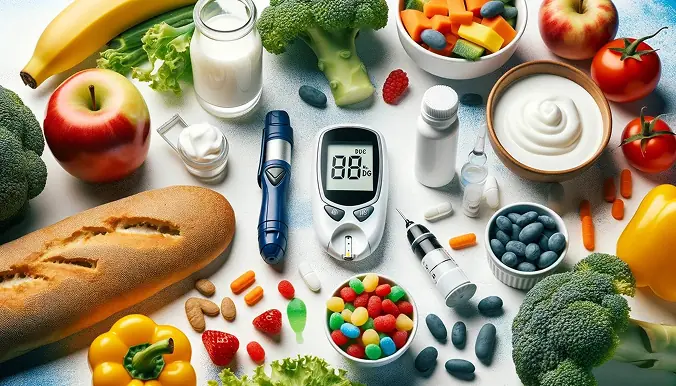
Take Control of Diabetes, Balance Your Life! Manage Your Blood Sugar with the Right Nutrition
Balancing life with diabetes can seem overwhelming at first—but with the right nutrition, you can take meaningful steps to stabilize your blood sugar and live a vibrant, energetic life. Whether you’re newly diagnosed, supporting a loved one, or looking for fresh inspiration, understanding the link between nutrition and diabetes is key.
Why Nutrition Matters in Diabetes Management
Nutrition is at the heart of diabetes control. Every meal choice either works for you or against you, impacting your blood sugar (glucose) levels. The right foods help keep your glucose in a healthy range, support weight management, and minimize complications such as fatigue or long-term organ damage.
The goal isn’t simply to “avoid sugar”—it’s about choosing quality carbs, balancing nutrients, and enjoying food in a way that fits your lifestyle.
The Basics: Blood Sugar and Carbs
Blood sugar mainly rises after eating carbohydrates, which are found in foods like bread, rice, pasta, fruits, milk, and sweets. For people with diabetes, the body either doesn’t produce enough insulin or can’t use it effectively, so glucose builds up.
Smart Carbohydrate Choices
- Choose complex carbs: Whole grains, legumes, and vegetables digest slowly and cause smaller blood sugar spikes.
- Pair carbs with protein or healthy fat: This slows absorption and keeps energy steady.
- Watch portions: Even healthy carbs can push blood sugar up if you have too much at once.
Keep a Consistent Eating Pattern
Try to eat meals and snacks around the same times each day. This routine helps your body (and your diabetes medications or insulin) work best.
Practical Tips for Balancing Blood Sugar
- Focus on Fiber: Fiber-rich foods like leafy greens, oats, lentils, and berries slow glucose absorption and support gut health.
- Include Lean Proteins: Chicken, fish, tofu, eggs, and beans help you feel full while supporting muscle and energy.
- Hydrate Wisely: Water is best. Limit sweet drinks and watch alcohol intake, which can cause blood sugar swings.
- Don’t Skip Meals: Skipping meals can cause low blood sugar, especially if you take medication.
- Be Mindful of Healthy Fats: Avocado, nuts, seeds, and olive oil promote heart health, especially important for people with diabetes.
Sample Meal Planning Ideas
- Breakfast: Oatmeal with nuts and berries
- Lunch: Grilled chicken salad with mixed greens, chickpeas, and vinaigrette
- Snack: Greek yogurt with a few seeds
- Dinner: Baked salmon, steamed broccoli, and quinoa
Managing Cravings and Eating Out
- Be mindful, not restrictive: Enjoy an occasional treat—just plan for it and savor every bite.
- Ask for substitutions: Swap fries for salad, request dressings on the side, and opt for grilled over fried.
- Check Blood Sugar Regularly: Over time, you’ll learn how different foods affect your body.
The Big Picture: Balance and Self-Care
Nutrition is a powerful tool, but it’s just one part of the puzzle. Pair healthy eating with staying active, managing stress, and keeping regular medical checkups. Remember, diabetes doesn’t define you or your lifestyle—it’s something you can manage with confidence.
You have the power to take charge of your health. Small, consistent nutrition choices will help you feel your best—day after day.
This article is for informational purposes only. Always consult your healthcare provider for medical advice and tailored recommendations.